Phoenix
Oct 8, 2025
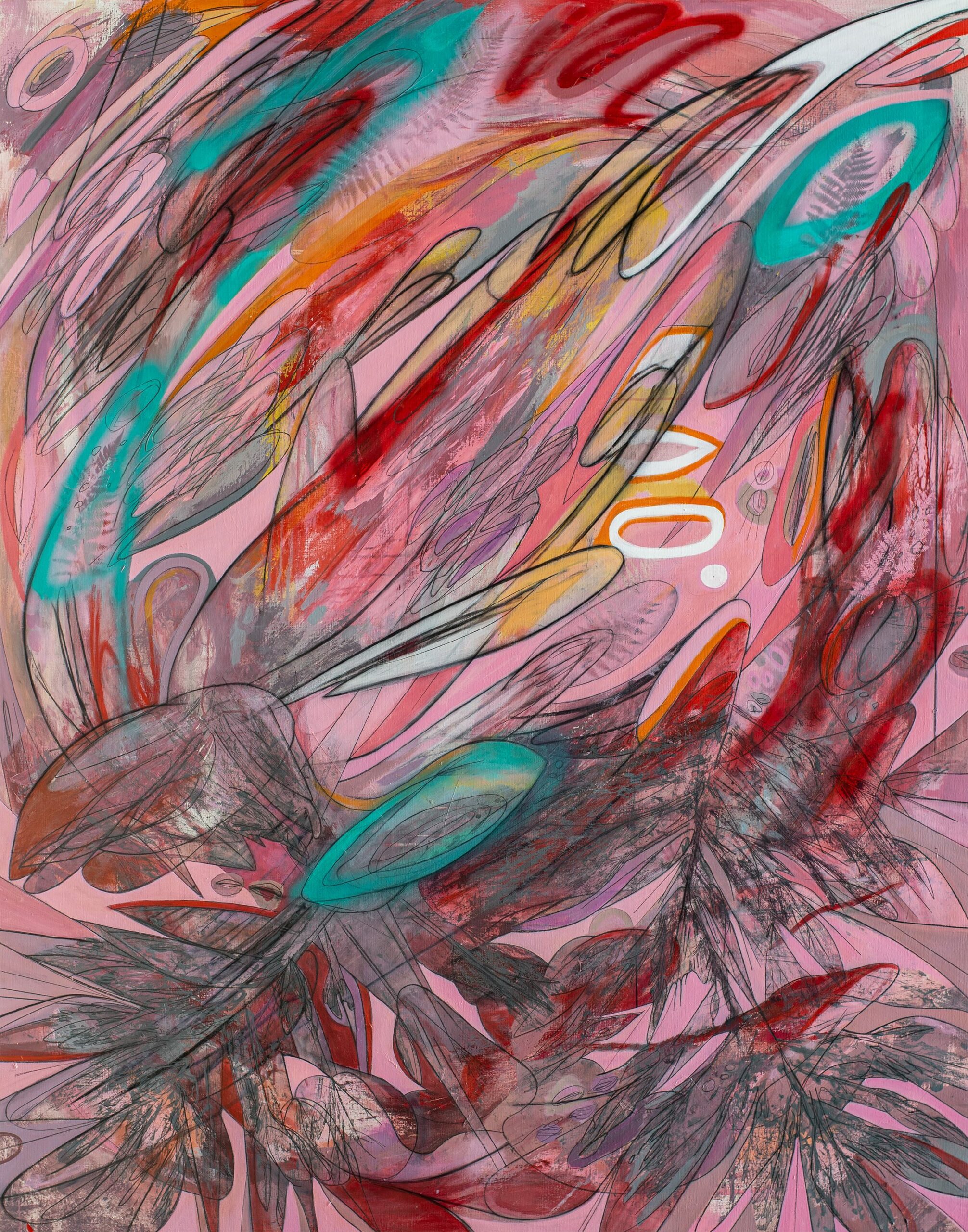
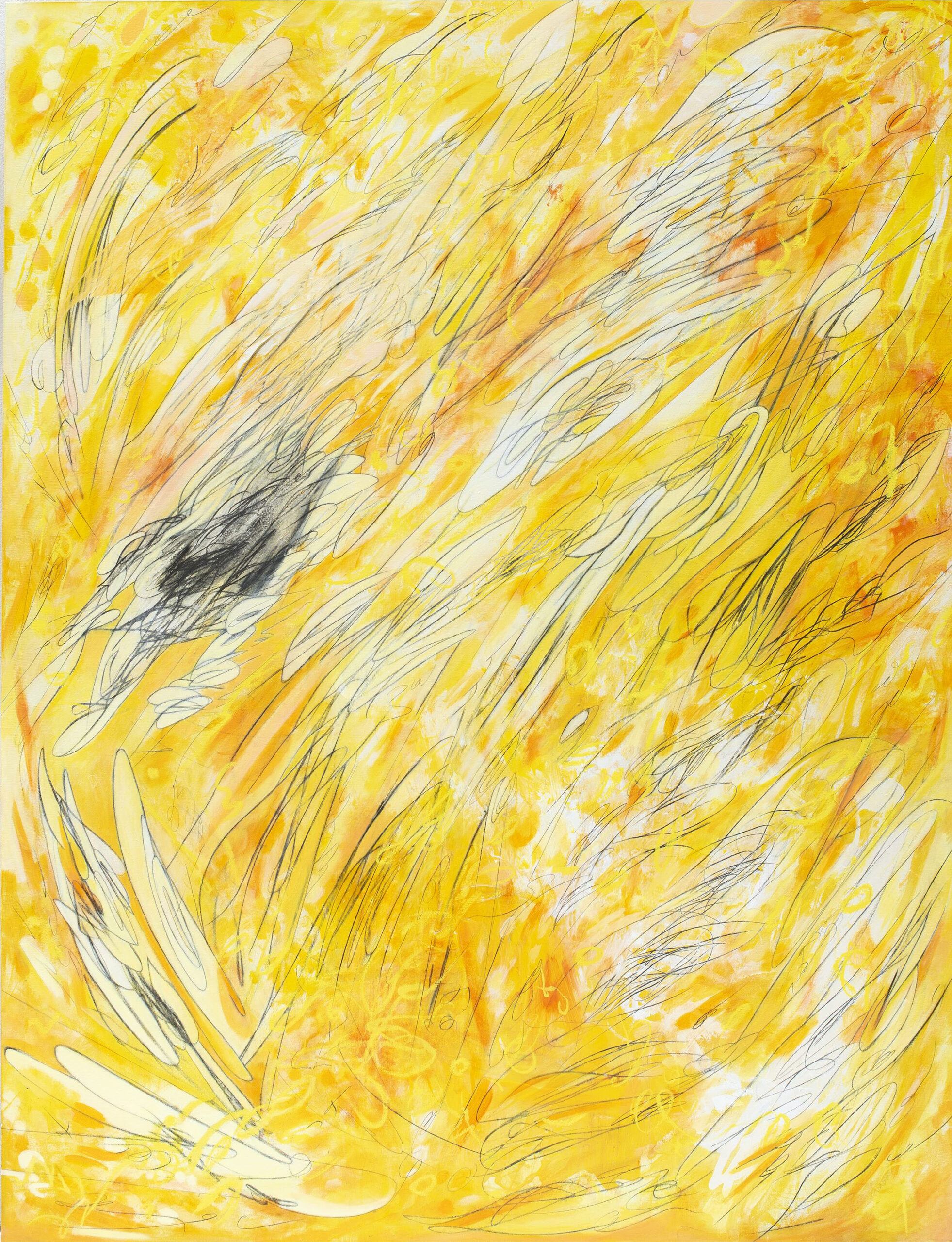
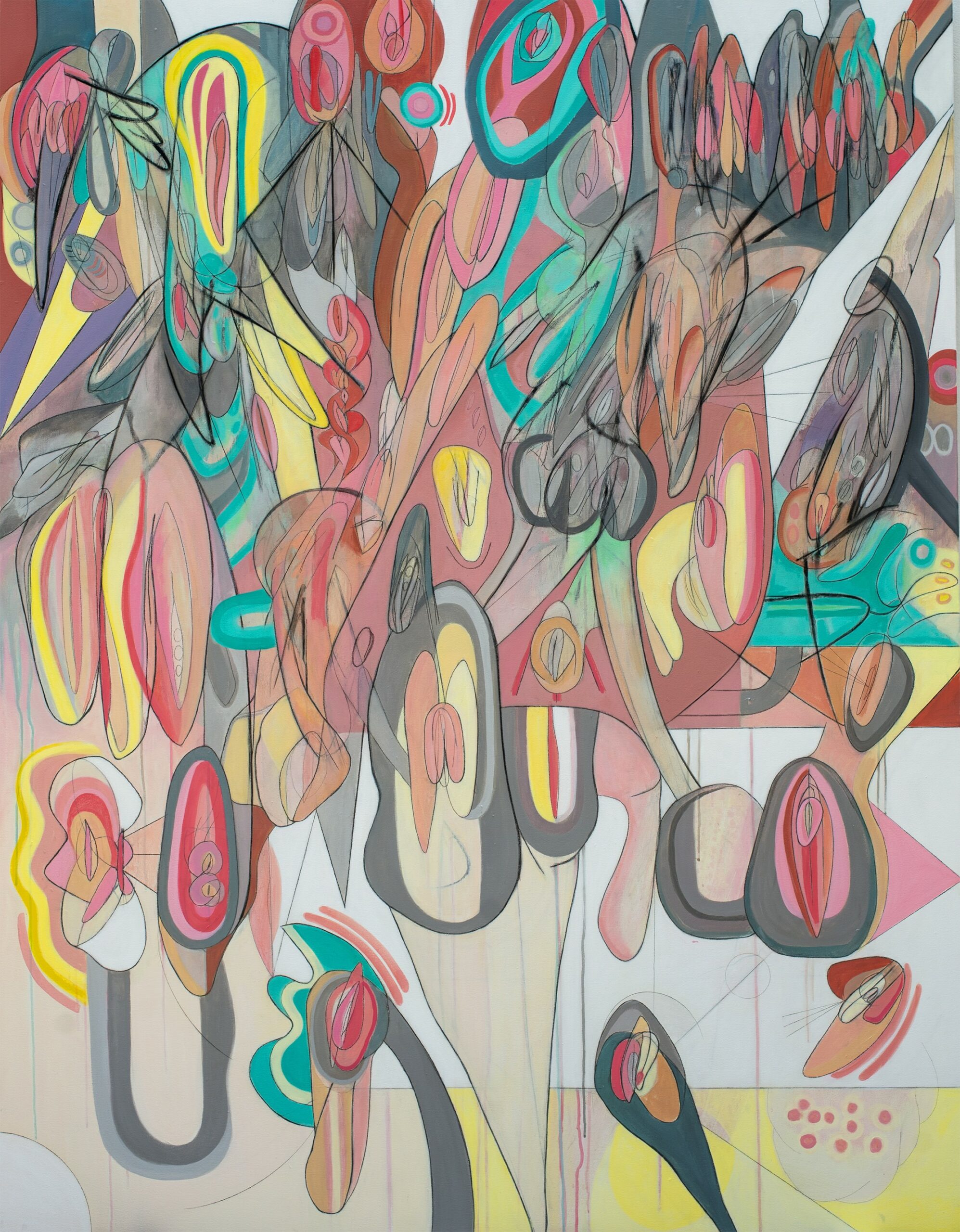
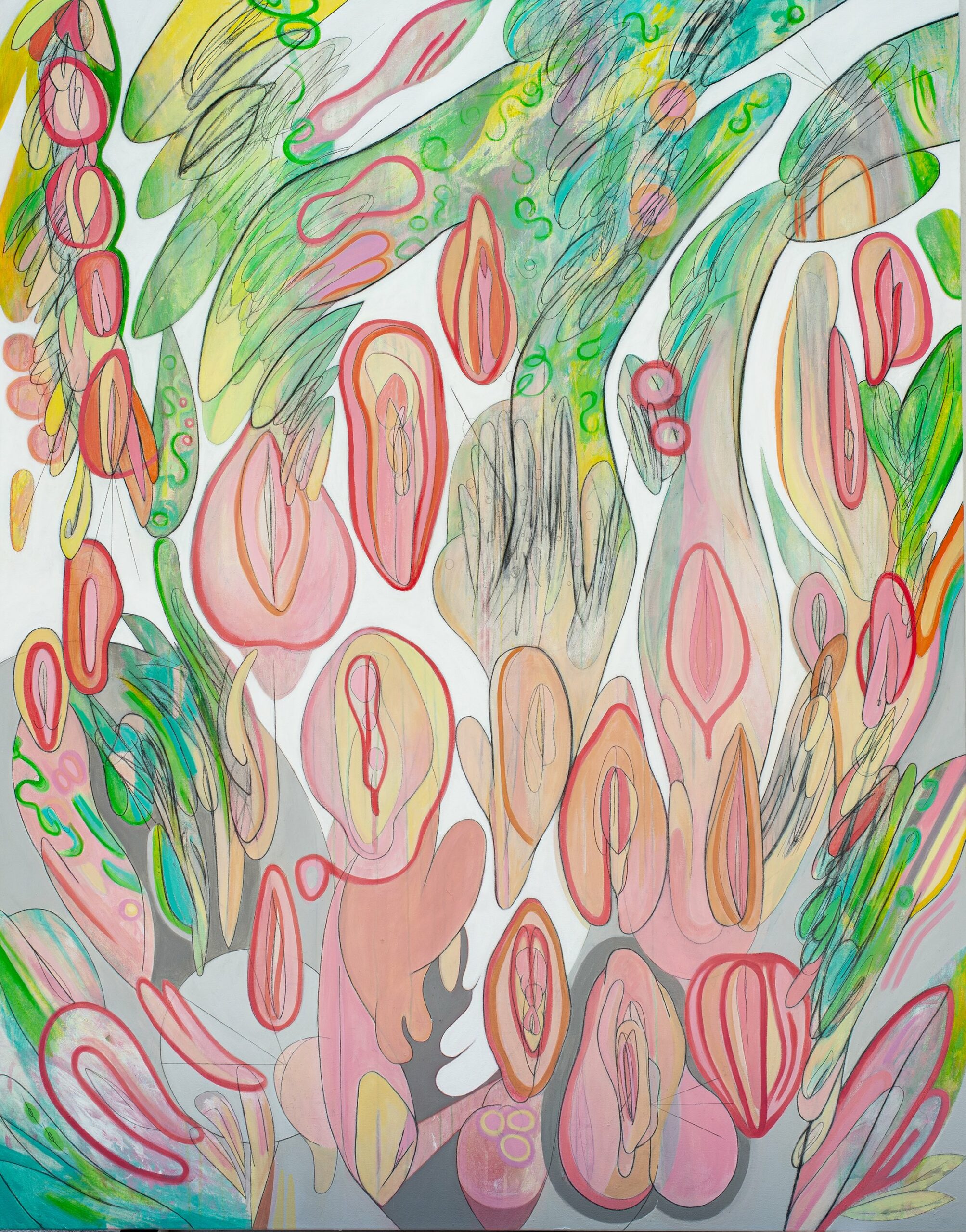
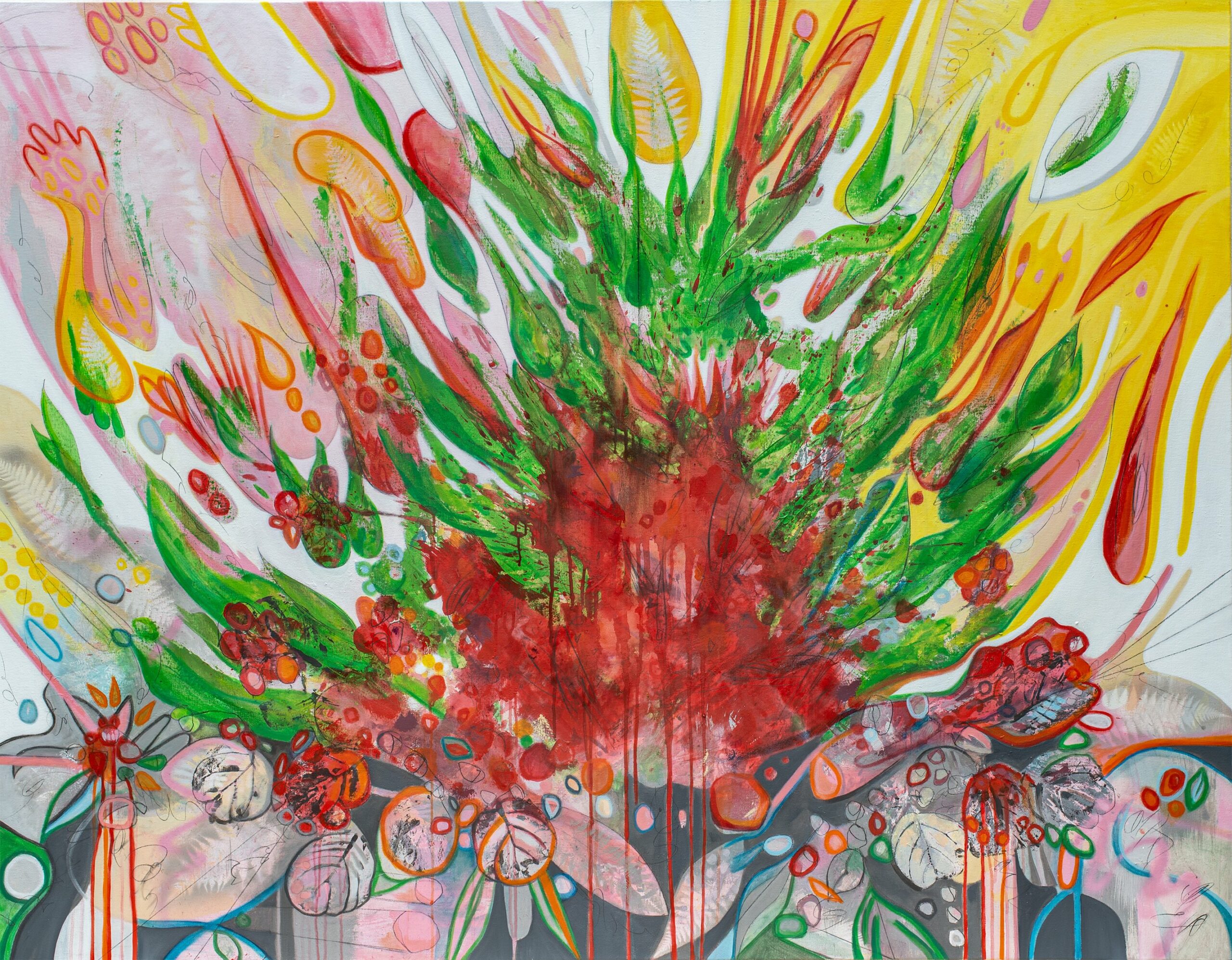
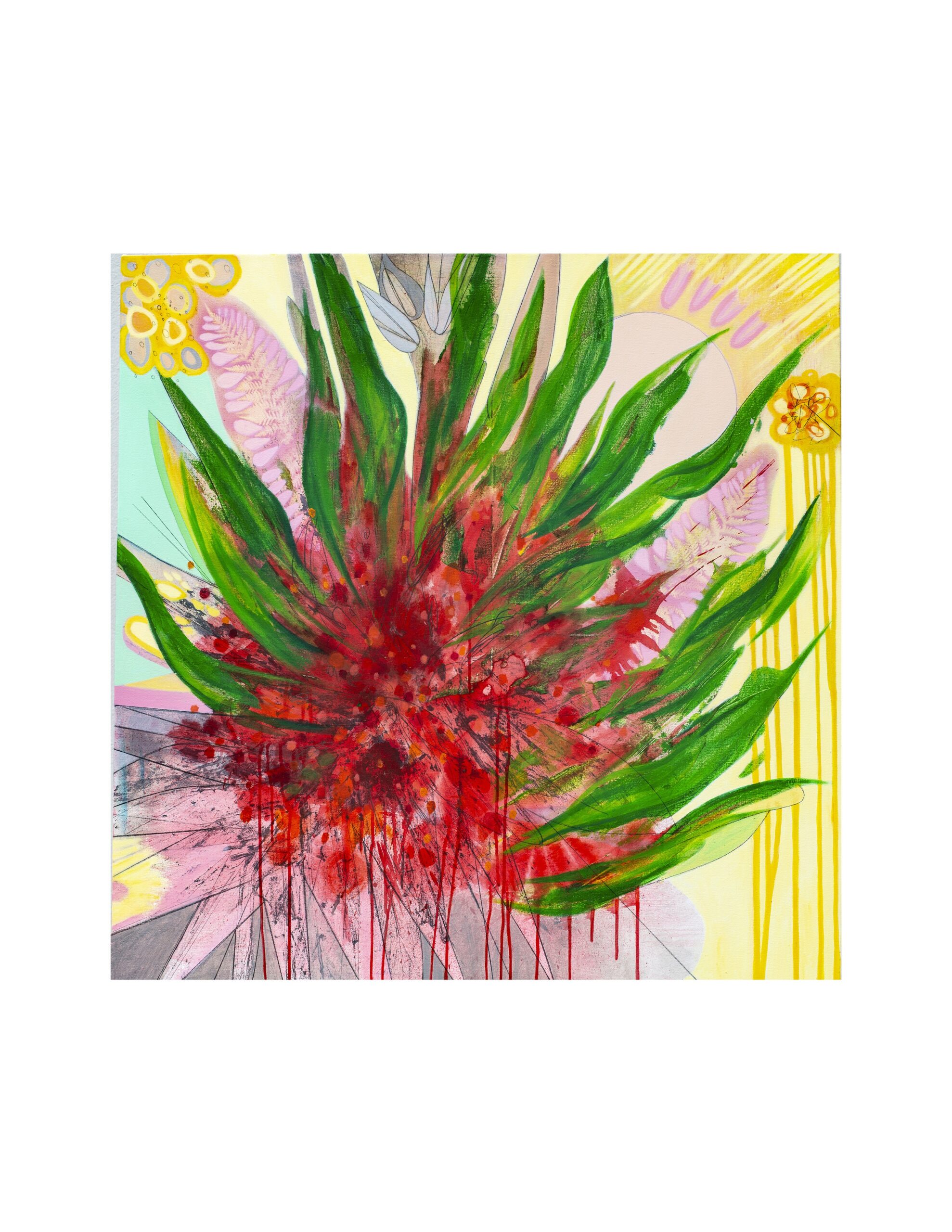
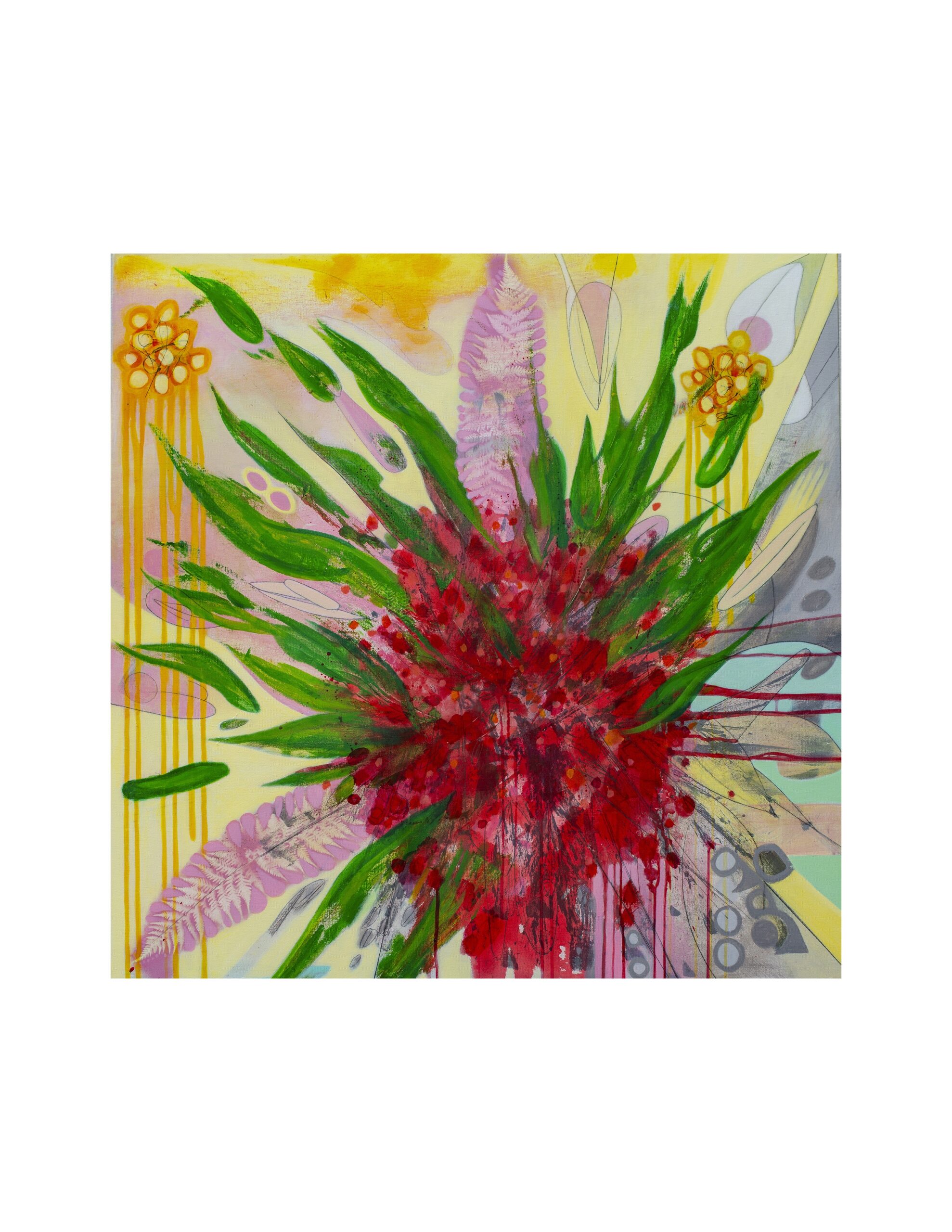
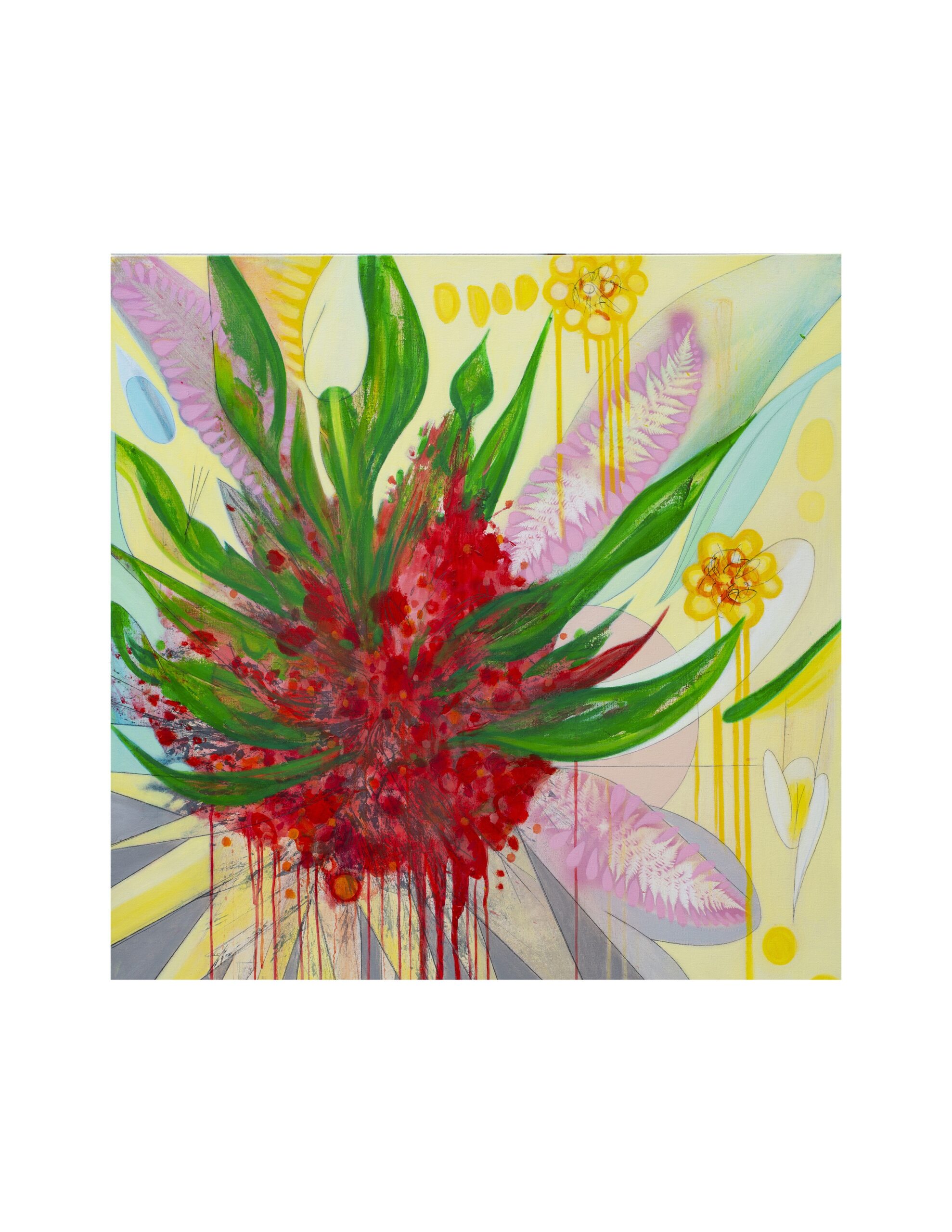
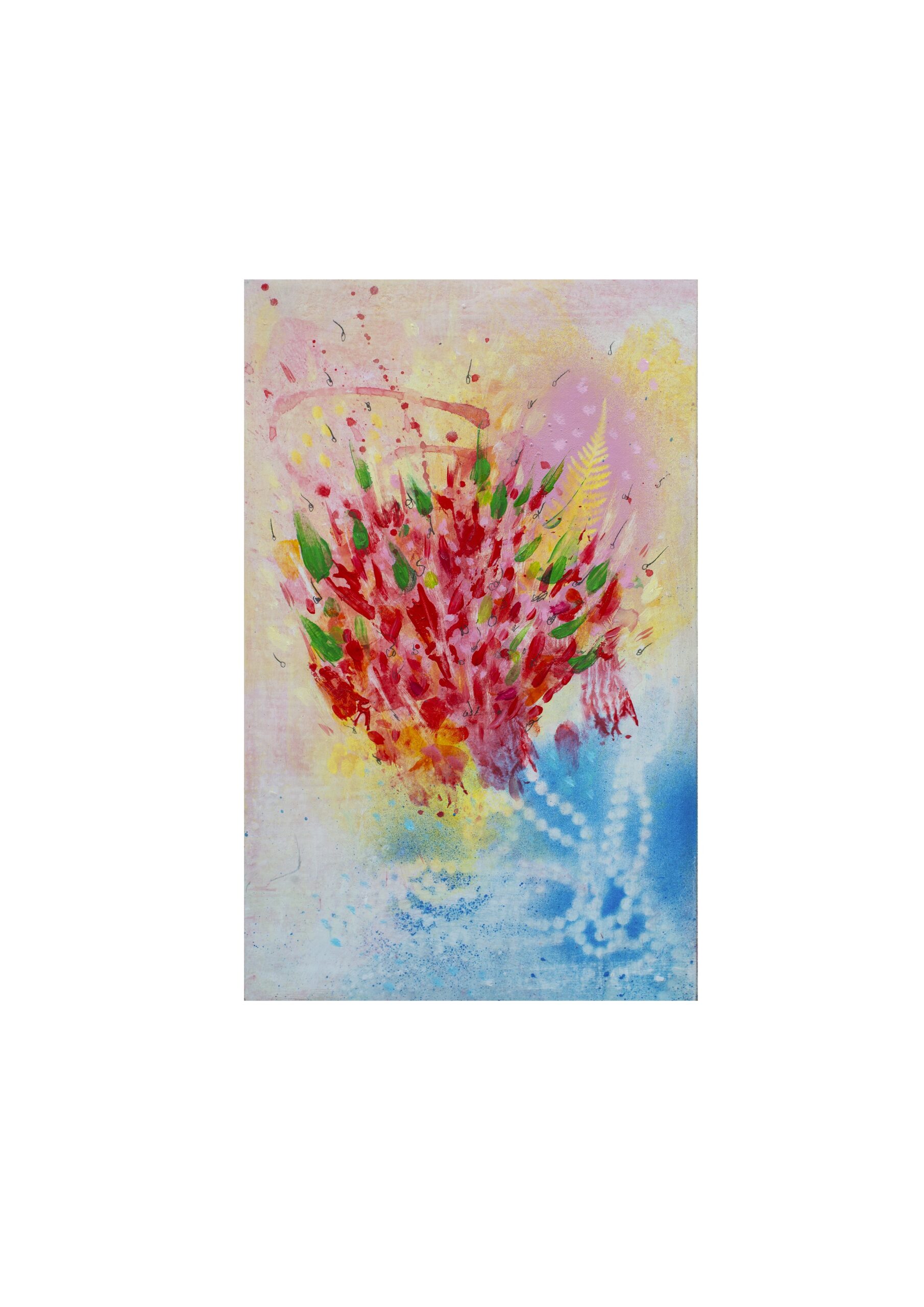
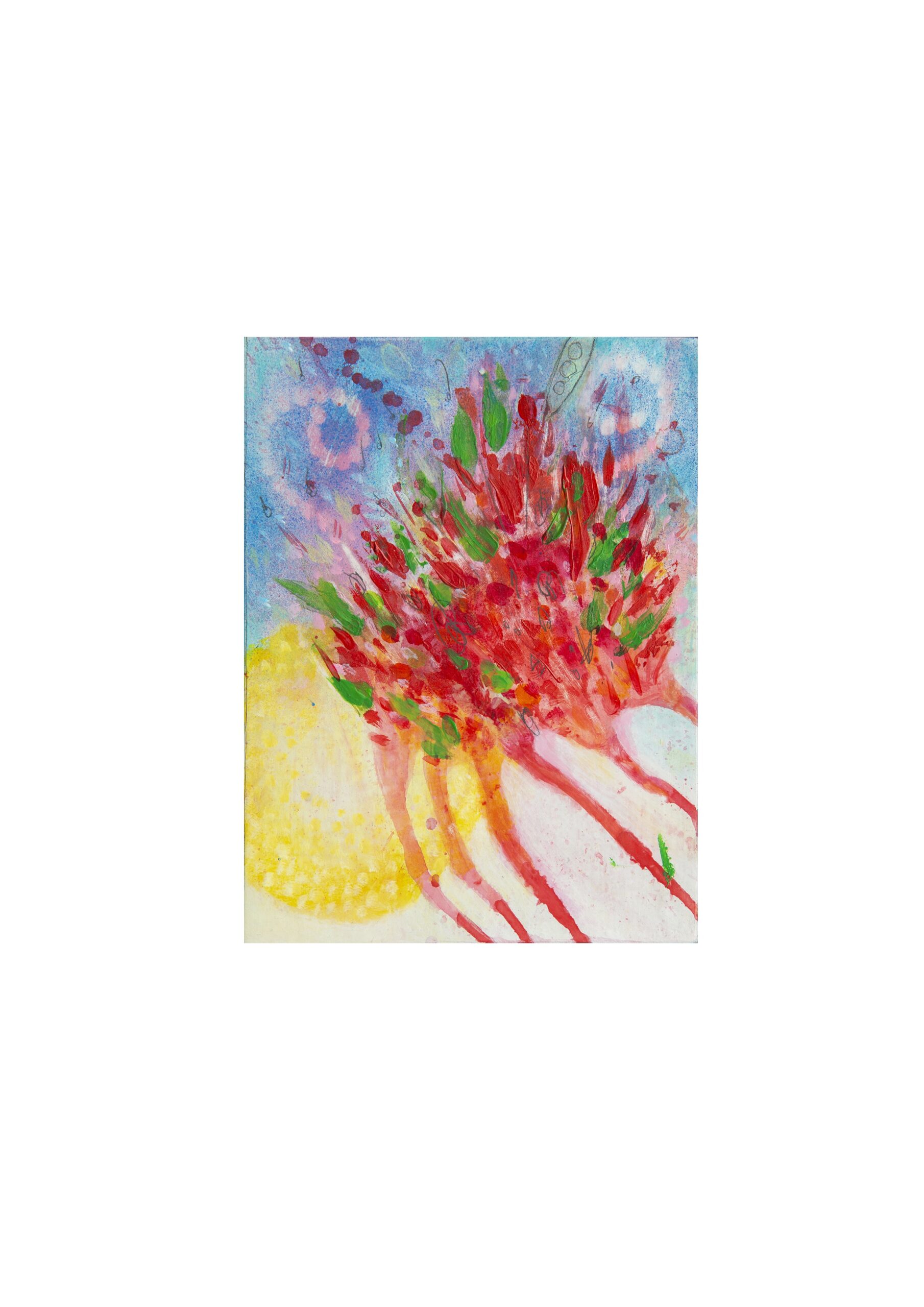
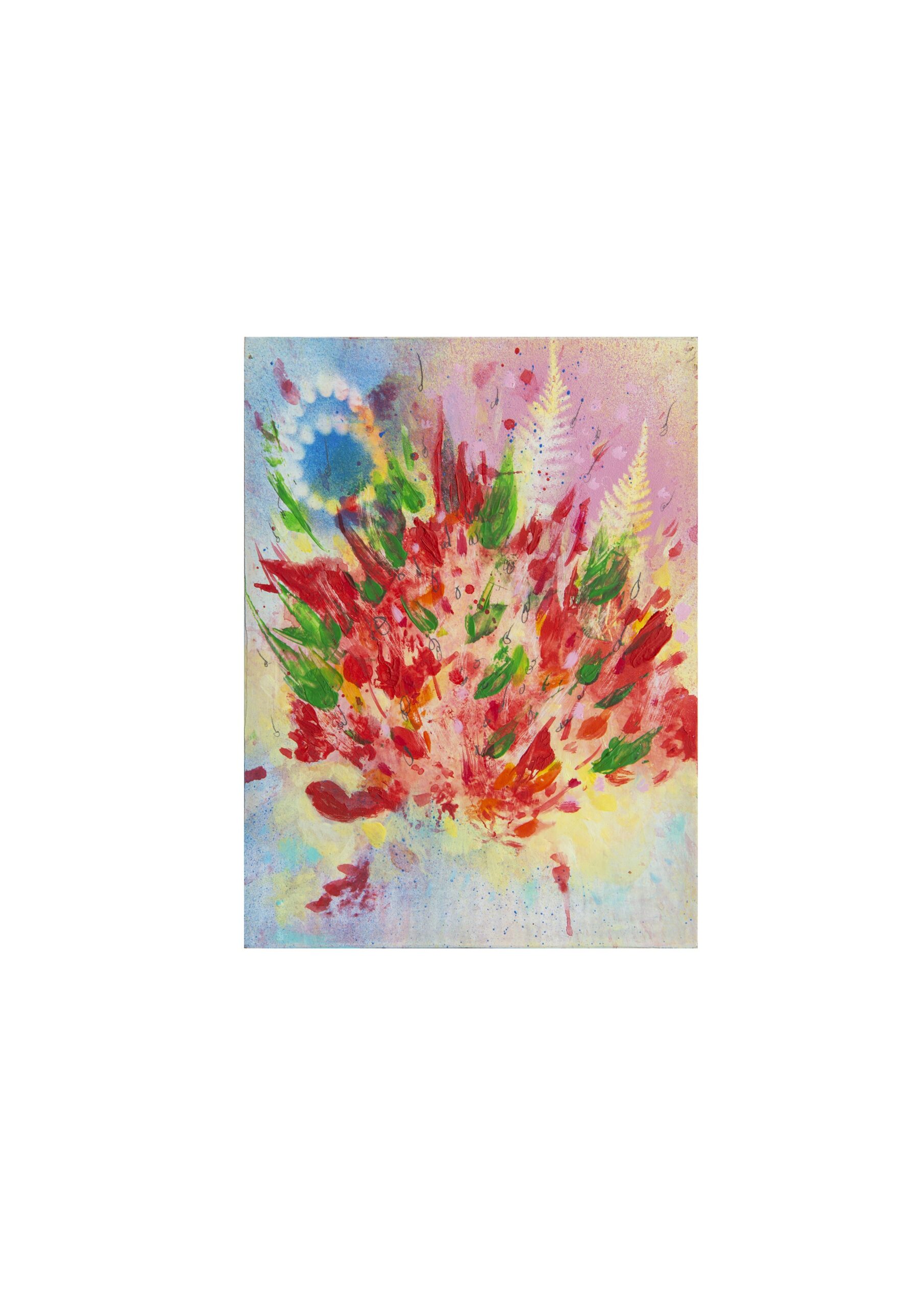
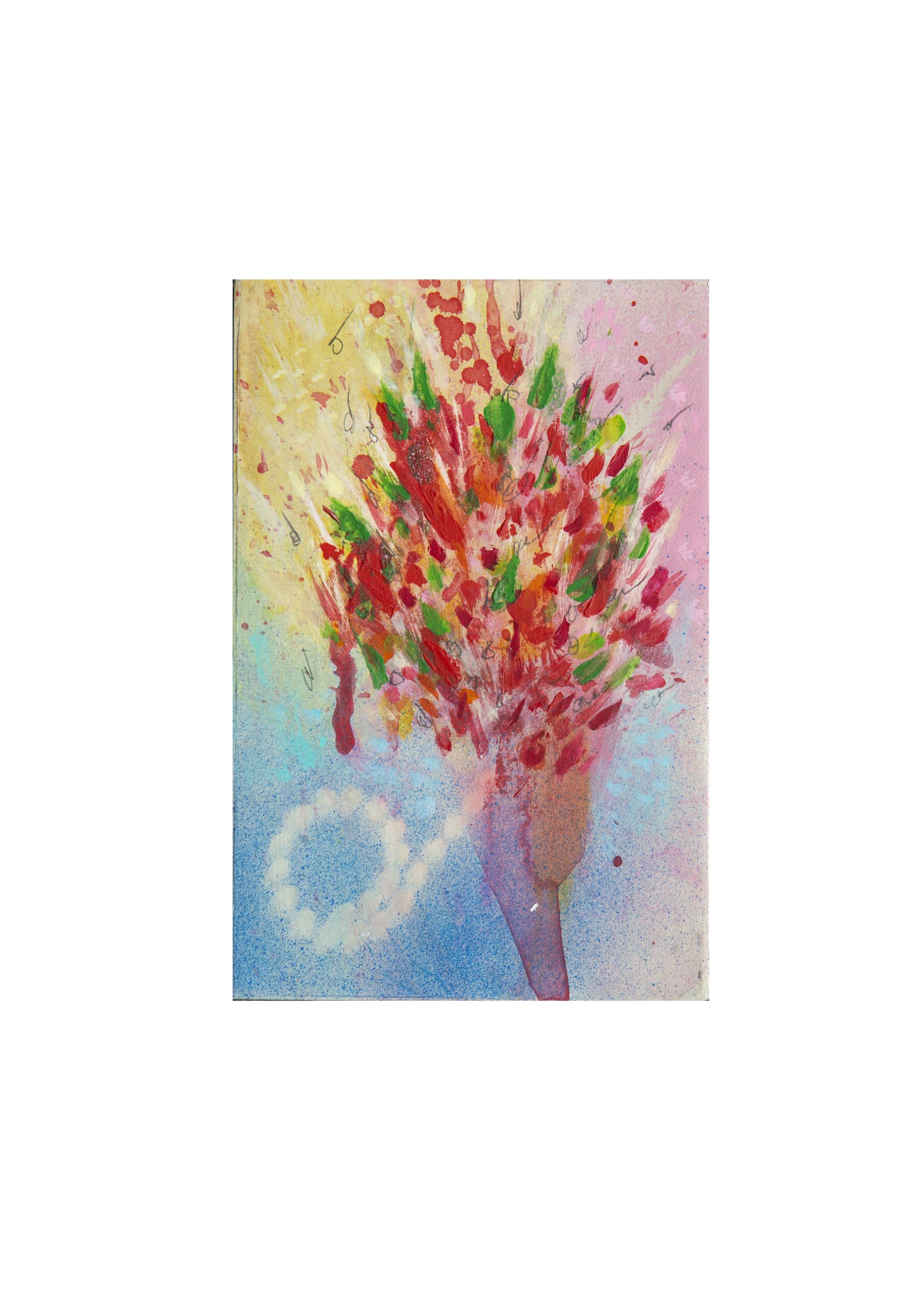
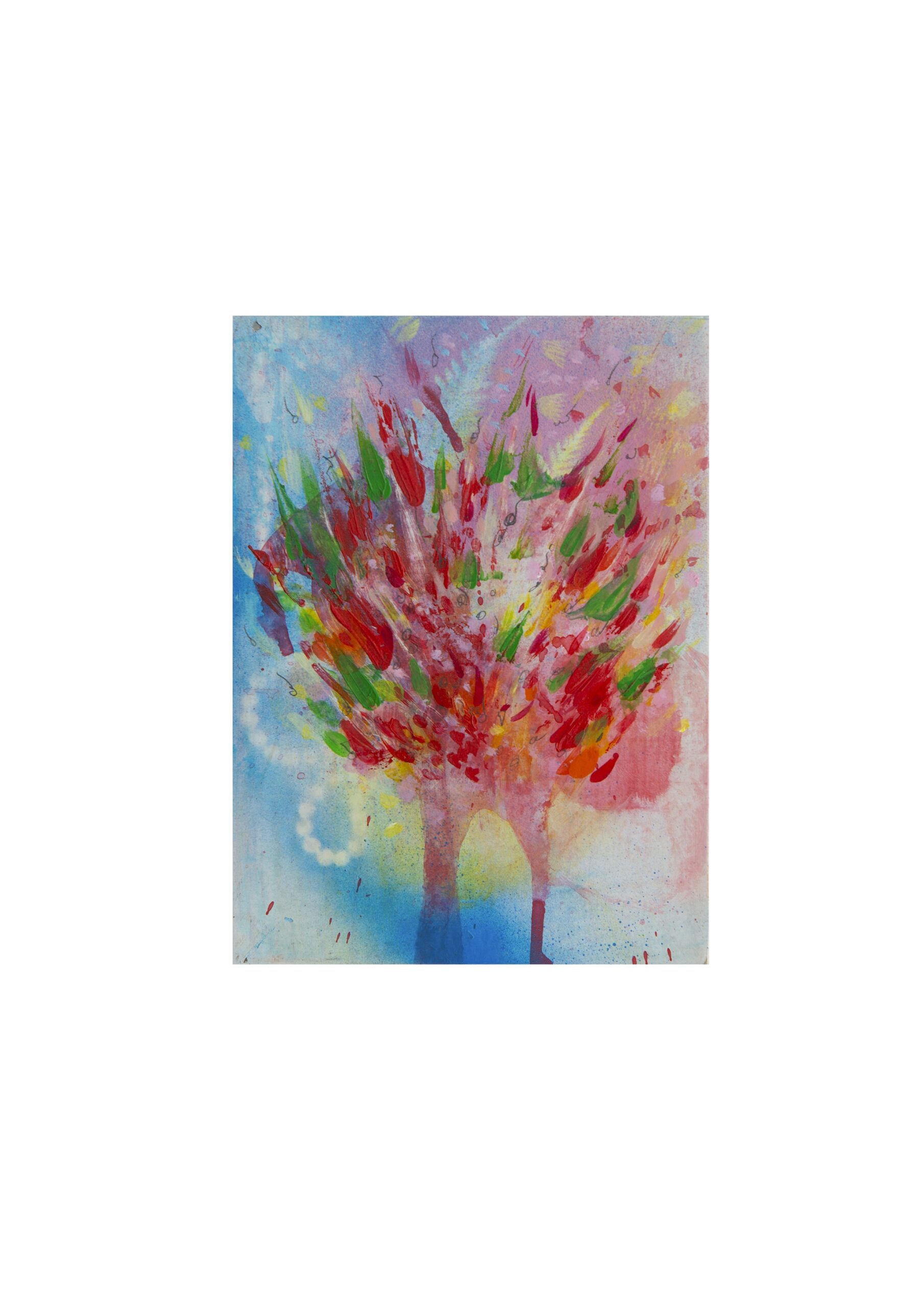
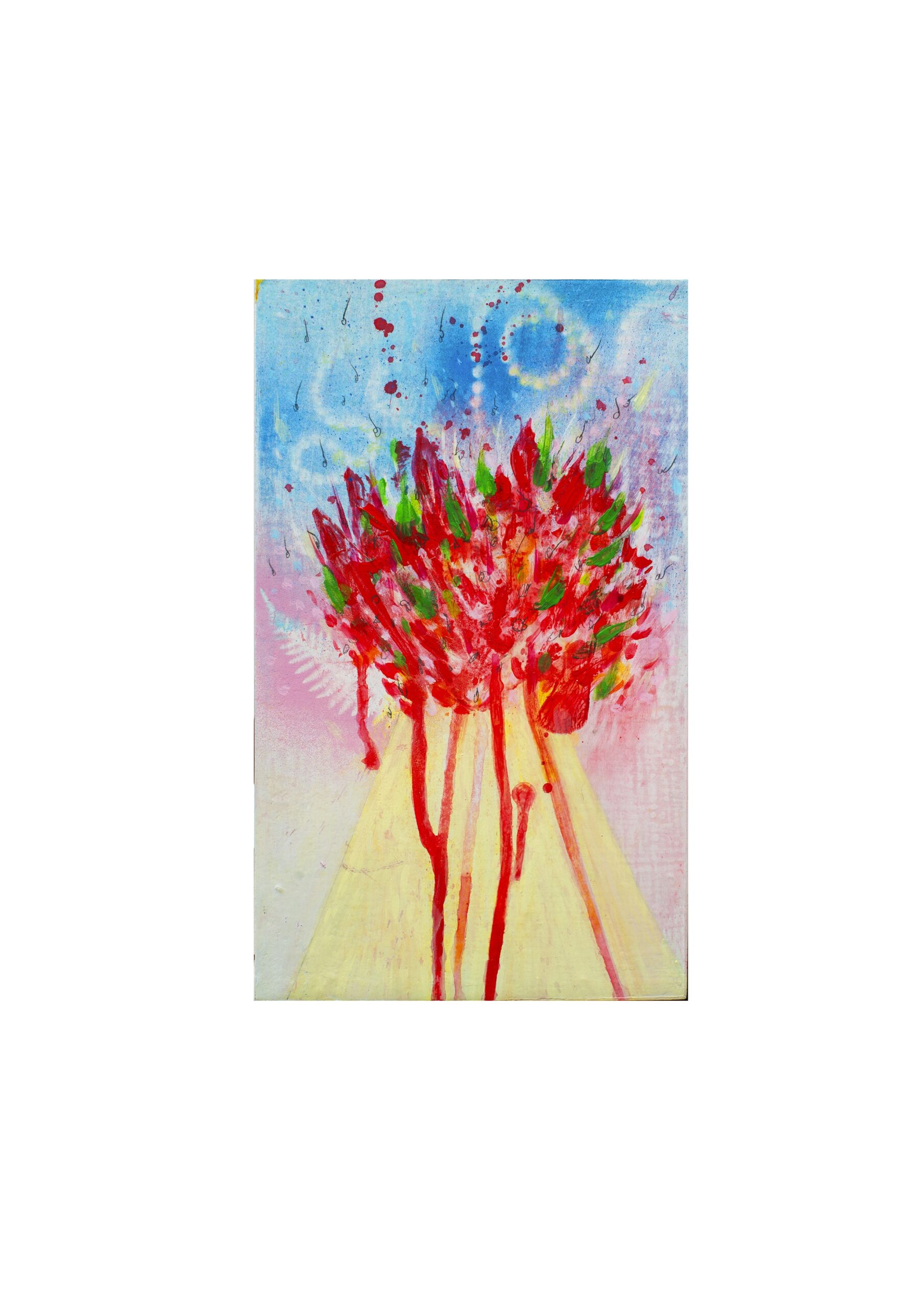
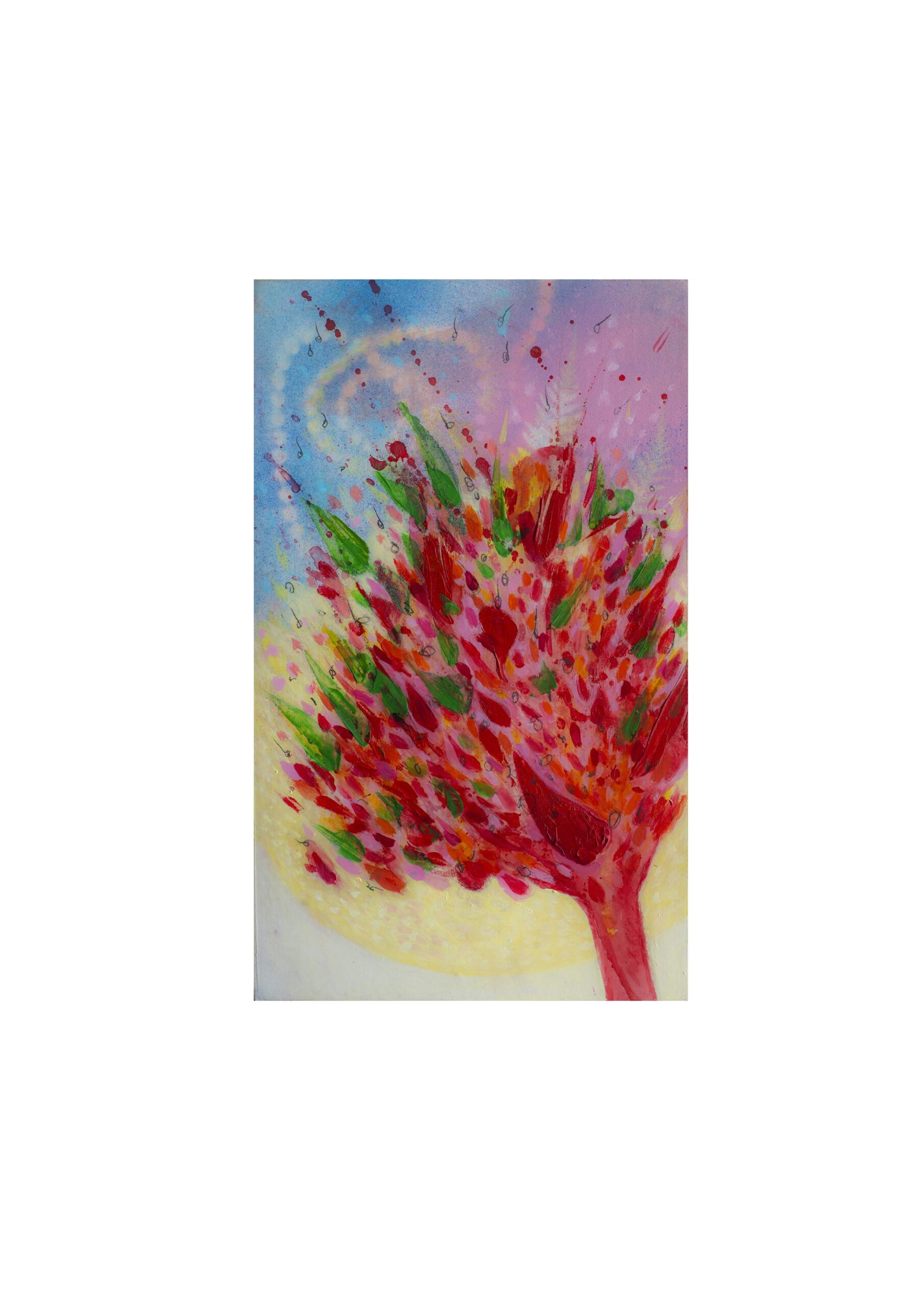
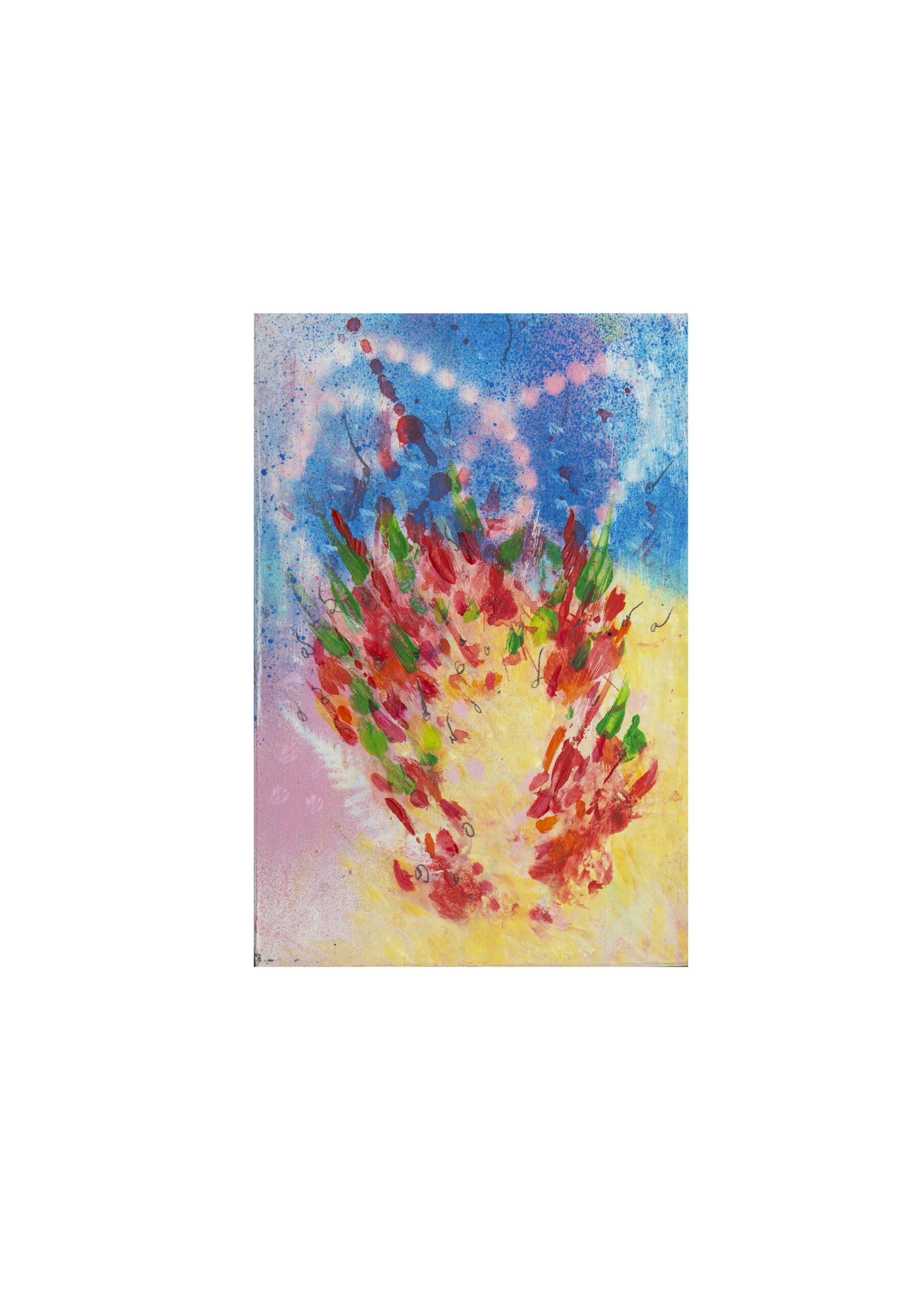
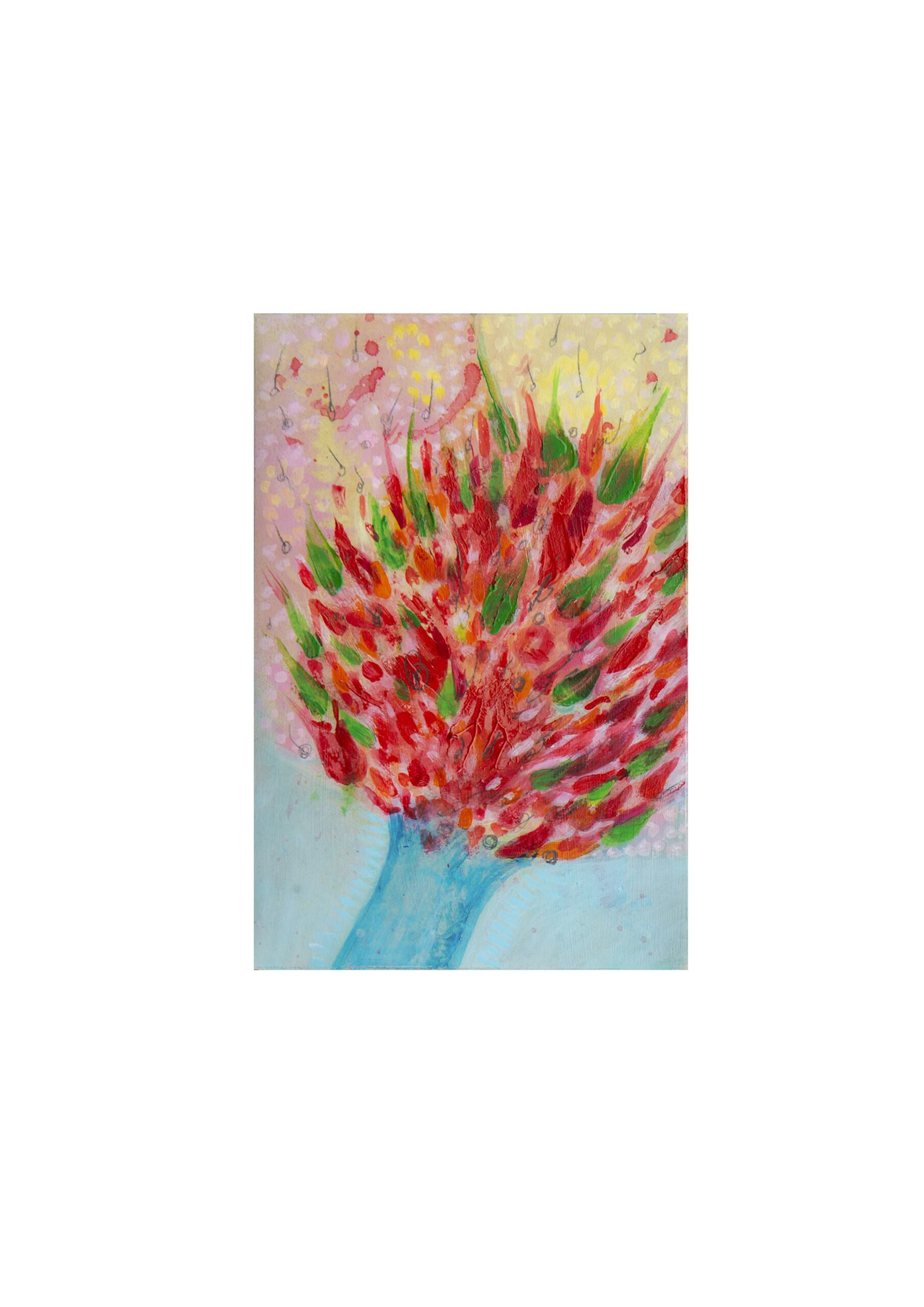
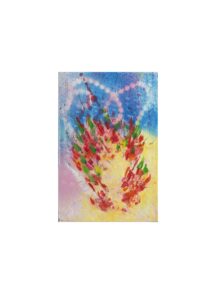
One of the most ubiquitous symbols of resurrection and renewal is the phoenix. With variations, almost all Greco-Roman classicists describe it in their writings as a large bird that dies in fire and is reborn from its ashes. The authors specify that its place of origin is in the Arab world, according to some in Phoenicia, famous for its Tyrian purple, a deep red ink highly valued in antiquity. Among the scholars who speak of the phoenix is Herodotus, the father of History, who nevertheless notes that he “has only seen it in paintings.”
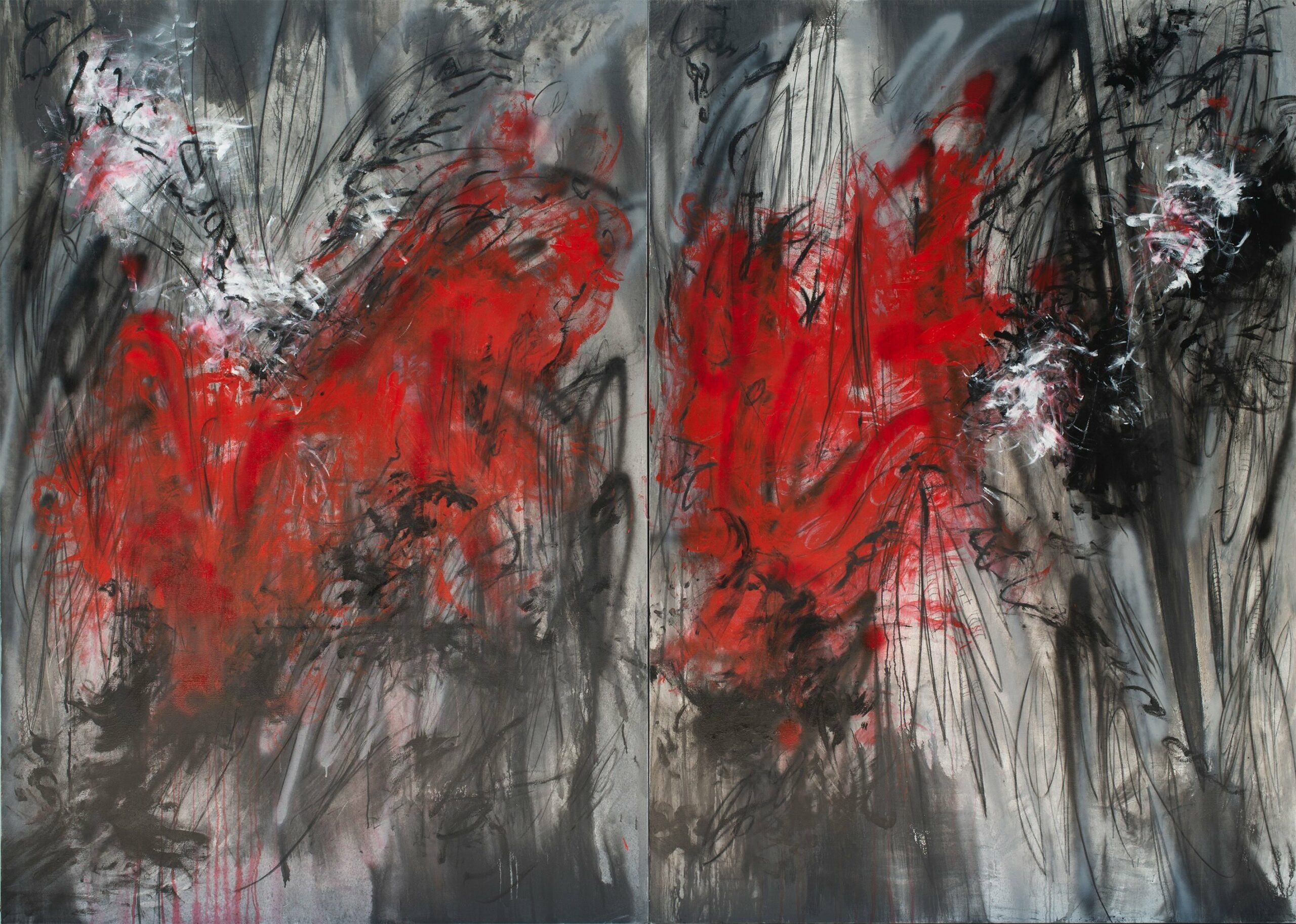
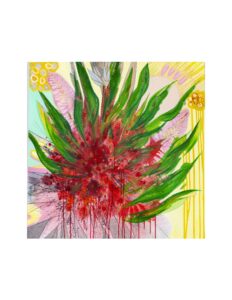
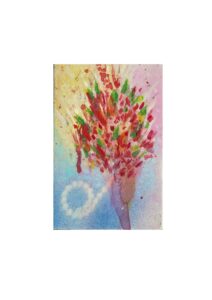
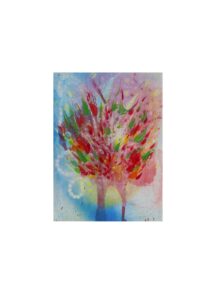
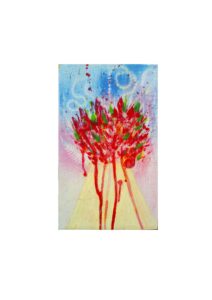
With her recent work, María José Romero proposes, like Herodotus, to see in her paintings a very personal version of the phoenix, as they embody her personal rebirth, a commitment to transformation and self-improvement as a life project, and a way of reviving oneself through resilience, both professionally and personally. It has been said before—and the artist herself has pointed this out—that her work responds to internal, “cathartic” processes, as Romero has called them. Her painting materializes impulses and actions that clearly correspond to life situations, but which do not respond to rational or logical thought. Thus, this painter approaches her pieces as a kind of ritual, a dance without planned choreography where the gestures of the body and hand are transformed into forceful and expressive strokes that cover the entire surface of the painting, in an attempt to expand the creative impulse to the limits of her physical strength and of the work itself.
Parallel to this exploration of her “inner” nature, María José Romero has maintained an interest in another nature, let’s call it “vegetal.” There are undoubtedly parallels between the two, which are worth noting and which this exhibition demonstrates very eloquently. To better understand this artist’s recent work, it is important to read her titles in relation to what we see in the paintings; In this way, we understand the meaning of this exhibition and its title: Phoenix.
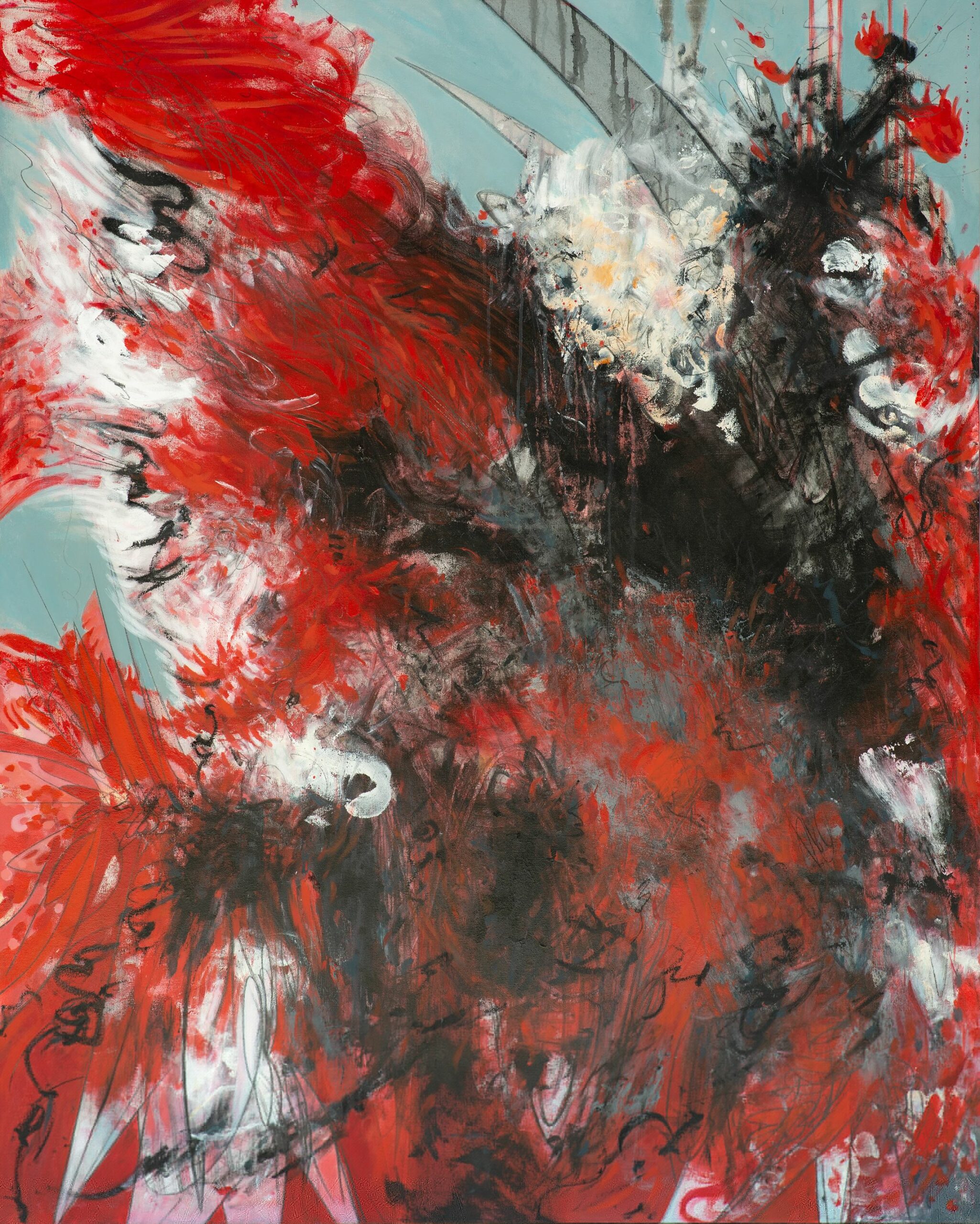
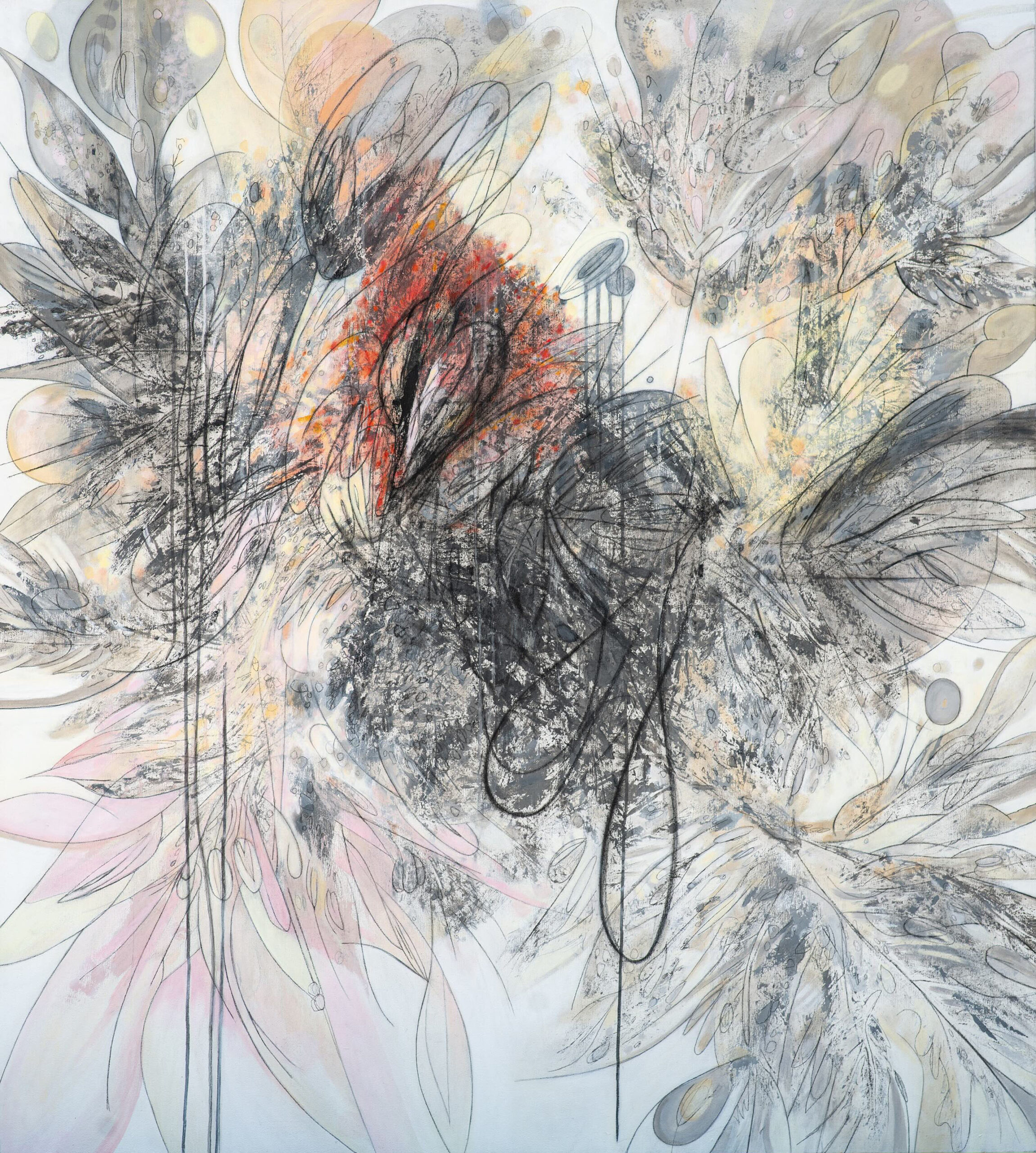
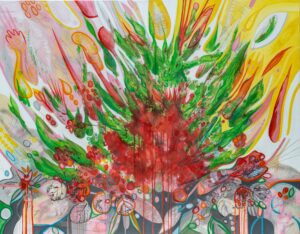
These paintings represent a commitment to renewing, as the mythical bird personifies, not only María José Romero’s artistic language but also her own life journey. It could be said that both metamorphoses, both rebirths, are intimately linked. Unlike her previous work, where gesture and graphic impulse prevailed, in these new pieces, painting as both language and material takes center stage, and, likewise, other colors emerge, infusing the canvases with renewed plant and body motifs.
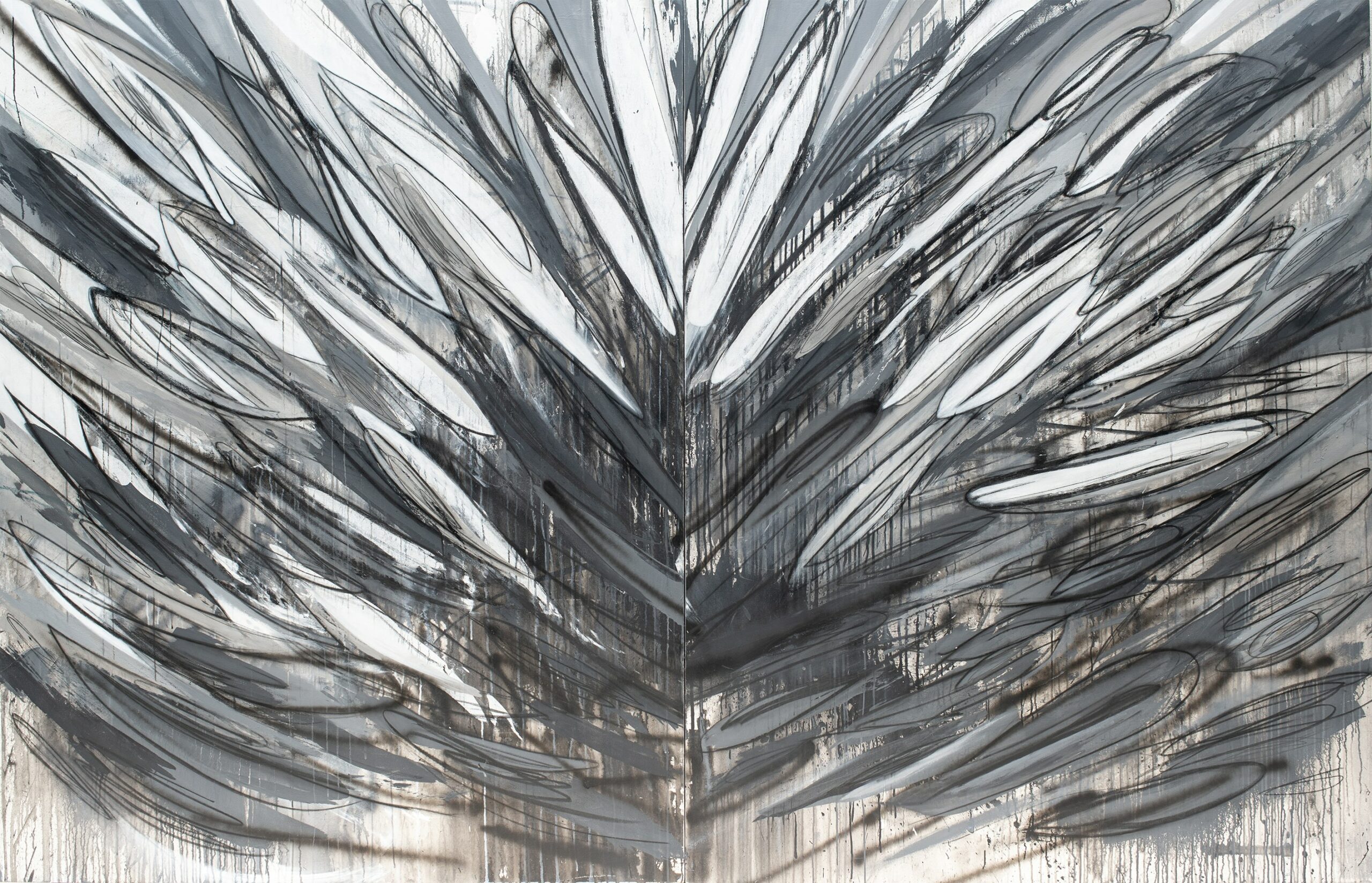
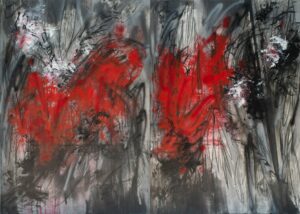
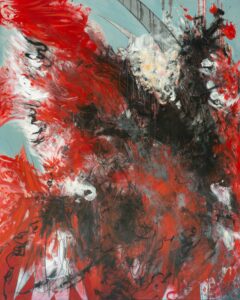
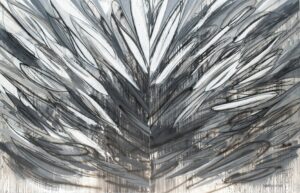
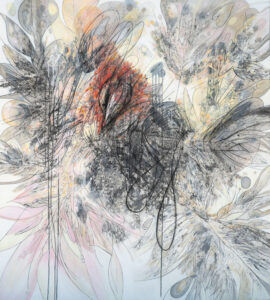
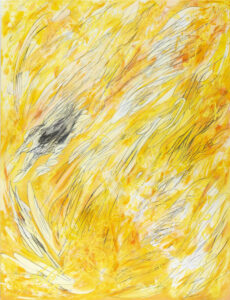
The exhibition reveals this vital and formal transition by understanding it as a journey toward that transformation. Phoenix and Elemental Forces diptychs, the latter being the crowning glory of this space’s amphitheater-like staircase, are joined by Burn, generating an interesting conversation. The economy of color is evident in the paintings, and they can be perceived as explosions: in the first, the symmetrical arborescence in whites, grays, and blacks that sprouts from the vertical axis between the two parts of the work advances a symbolic perspective of nature as seed and rebirth; the second is a cathartic exercise based on fire, which, as the saying goes, purifies everything and, like the phoenix, new energies will rise from its ashes.
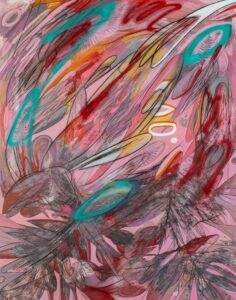
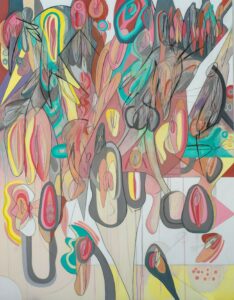
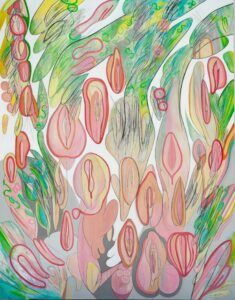
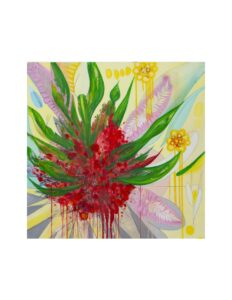
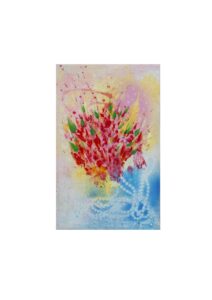
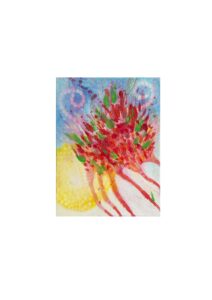
The remaining works embody the flight that María José Romero undertook. With complete freedom in the use of color, the joyful pink and crimson tones of the backgrounds of this pictorial group (close to the Tyrian purple of Phoenicia, the supposed origin of the phoenix) open up to a lush and vibrant nature, full of references to the body, sometimes not without humor—something we witness in Phoenix II. These paintings showcase a joyful, fertile, nascent nature, as seen in several works in the exhibition, from graphic motifs reminiscent of the seminal forms of her drawing series Seeds of 2016, but which undoubtedly also refer to the female sex, the origin of life. The artist imbues these themes with a very lively quality, a certain joie de vivre, as seen in the paintings The Triumph of Seeds and Where the Wild Grows, with their ecstatic and festive dimension for the eye.
Finally, María José Romero’s Phoenix represents a personal maneuver for renewal and the conclusion of a life stage through transformation, like the bird itself. This new collection of work is the aesthetic embodiment of its evolution. As the artist herself points out: “reinvention is the language of resilience.”
Carlos E. Palacios
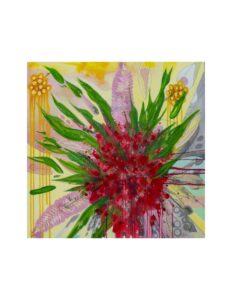
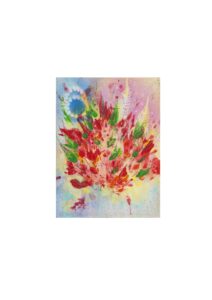
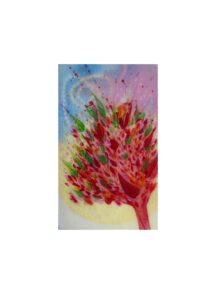
![[:es]<em>Fénix IX</em>
2025
Acrílico sobre madera
15 x 10 cm [:en]<em>Phoenix IX</em> 2025
Acrylic on wood
5.90 x 3.93 in[:]](https://mariajoseromero.com/wp-content/uploads/2025/10/FIX-212x300.jpeg)